
You get in your car one morning, turn the key, and something is wrong. A check engine light glares from the dashboard, the engine runs rough, or it won't start at all. You pop the hood expecting a loose hose or low fluid. Instead there's a small pile of leaves and fluff wedged into a corner, and a few wires that look gnawed through.
The culprit isn't a mechanical failure, it's a pest. Rodents, squirrels, mice, and rats are chewing through wiring in modern vehicles at increasing rates, and the reason is likely connected to what your car is actually made of. Proper Austin car maintenance helps you spot these issues early.
The Switch to a Soy-Based Buffet
For decades, automotive wiring insulation was petroleum-based plastic, durable and, critically, unappealing to animals. Starting in the early 2000s, automakers began switching to soy-based and other plant-derived materials for wire insulation and plastic components, driven by environmental mandates and lower material costs. Toyota's shift generated enough consumer damage complaints to produce class-action litigation; Honda and other manufacturers made similar material changes around the same period.
The problem is that soy-based insulation smells and likely tastes like food to a rodent. Engine bays were already attractive nesting sites, warm, dark, and sheltered from predators. Soy wiring effectively adds a food source to that list. Compounding this is the fact that rodent teeth grow continuously, so animals chew constantly to wear them down, regardless of hunger. Your wiring harness is a convenient target.
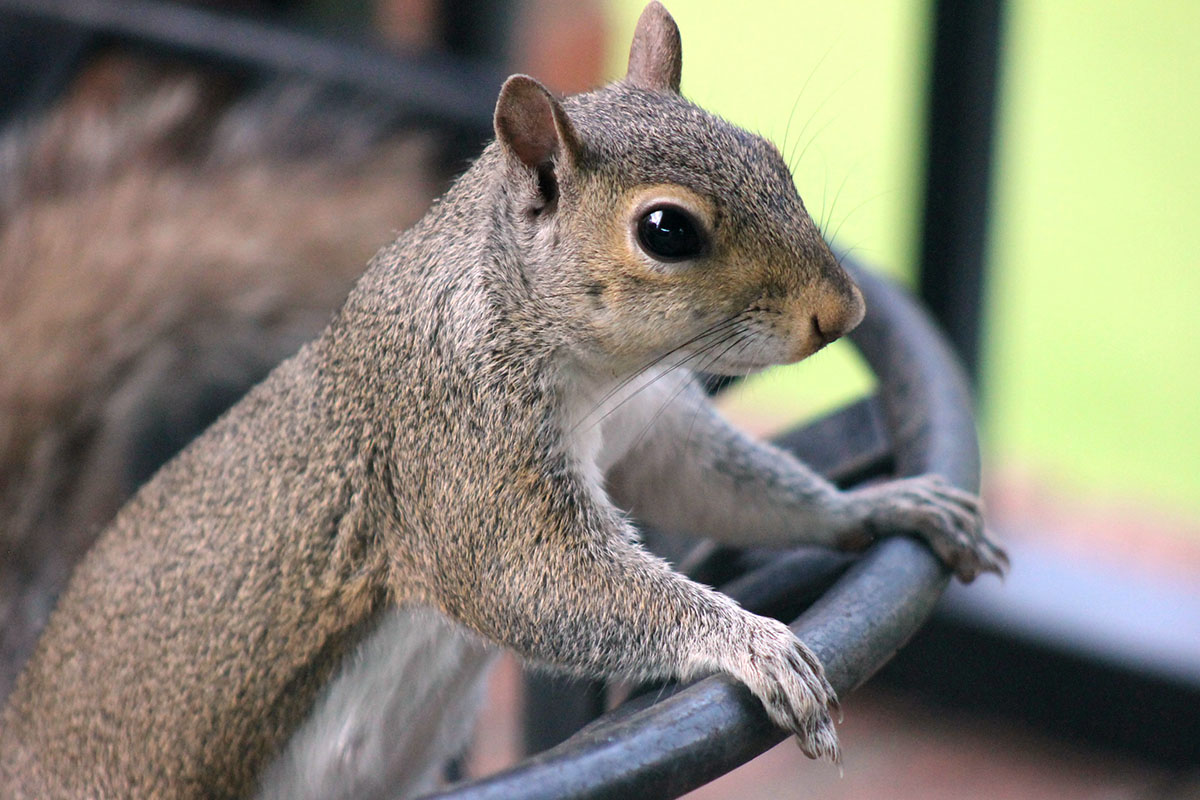
One squirrel can chew through a critical wiring harness in a single night. Repair bills for rodent damage routinely run into the hundreds or thousands of dollars, enough to make an otherwise functional car undrivable until the work is done.
From Annoyance to Hazard: The Damage Done
Which wires get chewed determines how bad the damage is. Symptoms vary widely:
- Check engine light: One chewed sensor wire is enough to trip a fault code and send you to the shop.
- Dead features: Air conditioning, headlights, or the radio can stop working suddenly, with no other warning signs.
- Rough running: Damage to ignition wiring or fuel injector circuits causes misfires and erratic engine behavior.
- No-start condition: A severed starter wire or main harness and the car won't turn over at all.
- Fire risk: Exposed wiring can arc against the engine block or nearby metal, this is a real fire hazard, not a theoretical one.
Repair is slow and billed by the hour. A technician has to trace each damaged wire through the harness, assess what's severed versus what's just abraded, then splice or replace each connection individually. There's no shortcut, unlike swapping a part, the work is linear, and a single harness can contain dozens of individual wires that all need to be checked. If you notice unexplained warning lights or electrical issues, professional car inspections in Austin can help identify rodent damage before it leads to more expensive repairs.
Managing Fleet Vehicles and Long-Term Storage
Fleet managers deal with a problem individual car owners rarely face: vehicles that sit unused for days at a stretch are prime targets for rodents looking for shelter. Keep parking areas clear of debris, trash, and overgrown weeds, those give mice and rats the ground-level cover they need to move in undetected.
Rotating vehicles regularly and running the engine every few days disrupts any animal that has started settling in. For vehicles in long-term storage, seal the air intake and exhaust pipe with fine wire mesh, this blocks rodents from crawling into the engine bay or cabin to build nests. Pull the mesh before starting the vehicle.
FAQs
Why do rodents eat car wires instead of other things?
Many modern wire harnesses are coated in insulation made from soy-based compounds, which contain fats and proteins that smell like food to rodents. Beyond that, rodent incisors never stop growing, they have to gnaw constantly to wear them down, and the soft, rubbery coating on wires gives their teeth just the right resistance.
Does my comprehensive car insurance cover rodent damage?
Usually, yes. Most comprehensive policies cover animal damage under "acts of nature" clauses. You'll still owe your deductible, and for a business vehicle, the real cost is often the downtime, a vehicle in the shop for a week can cost far more in lost productivity than the repair bill itself.
What is the most effective rodent repellent for cars?
No single product works reliably on its own. Capsaicin-infused tape and peppermint oil are most commonly recommended by mechanics and pest control professionals, capsaicin irritates the mouth and nose on contact, while peppermint oil overwhelms a rodent's sensitive sense of smell. Both work better paired with physical deterrents: bright lighting in the parking area, cleared ground cover, and keeping vehicles moving rather than sitting in one spot for weeks.
Can a rodent in the engine cause a fire?
Yes. A nest built from grass, leaves, or shredded paper near the exhaust manifold or catalytic converter can ignite quickly, exhaust temperatures in that area can exceed 400°F under normal driving. Chewed wiring is a separate risk: damaged insulation causes arcing and short circuits, which can start an electrical fire even without a nest nearby.
Are some car brands more at risk than others?
Most major manufacturers now use soy-based wire insulation, so no brand is truly immune. Toyota in particular has been named in class-action lawsuits over rodent damage to wire harnesses, with plaintiffs arguing the company was aware of the problem. What matters most, though, is your environment, a car parked near a dumpster or in overgrown grass is at far greater risk regardless of make or model.
What are the tell-tale signs of rodent damage in my car?
Pop the hood and look for droppings, chewed plastic, and piles of nesting material, leaves, insulation foam, or shredded fabric. Rodents often cache food nearby, so acorns or seeds tucked into crevices are a clear giveaway. Inside the cabin, check the air filter housing first: rodents nest there frequently, and a decomposing nest produces a musty or ammonia-like smell that gets pulled into the passenger compartment through the ventilation system.
Why do rodents chew car wires if they are not all soy-based?
Rodent incisors grow continuously, roughly 4 to 5 inches per year in mice, so gnawing is a biological necessity, not a choice. Wire insulation, whether soy-based or petroleum-based, has a texture that works well for filing teeth down. Once a wire is stripped, rodents also pull the frayed material into their nests as bedding. The chewing isn't always about the wire itself; sometimes your wiring is simply in the wrong place at the wrong time.
Does my car insurance cover rodent damage?
Usually yes, but the coverage lives in your comprehensive policy, not your basic liability or collision coverage. Comprehensive covers non-collision events, theft, weather, falling objects, and animal damage, which is where rodent chewing falls. That said, policies vary, so pull out your declarations page or call your agent directly to confirm your deductible and whether the claim is worth filing versus paying out of pocket.
Are certain cars more susceptible to this problem?
No single make or model is safe. Reports of rodent damage span Toyota, Honda, Ford, GM, and European brands, any manufacturer that switched to soy-based wire coatings is in play. What actually predicts risk is where and how long the car sits. A vehicle parked outdoors for days at a stretch near woods, an open field, or a trash area faces a much higher threat than one garaged nightly in an urban lot.
Protecting Your Engine from Unwanted Guests
Prevention costs a fraction of what repairs do. The starting point is removing what attracts rodents in the first place: spilled birdseed, pet food, and any food debris near where you park. If you use a garage, walk the perimeter and seal gaps around pipes, vents, and door edges, mice can squeeze through a hole the diameter of a dime.
Beyond removal, several deterrents have a real track record. Peppermint oil and cayenne pepper sprinkled in the engine bay deter some rodents, but they wash out fast and need constant reapplication. More durable options include capsaicin-infused electrical tape, which wraps directly around wiring harnesses, Honda sells its own version (part number 4019-2317) after widespread complaints from Civic and Accord owners. Ultrasonic repellent devices placed under the hood or in the cabin have also worked for some owners. None of these are guaranteed, but layering two or three approaches is more effective than relying on any single one.
The most underrated defense is a quick look under the hood every couple of weeks. Catching a nest or fresh gnaw marks early, before a wire is fully severed, keeps a nuisance from becoming a $1,500 repair. If you're already seeing unexplained warning lights, intermittent stalls, or accessories cutting out, don't assume software. A shop can provide car inspections in Austin and trace rodent damage to a specific harness within an hour.
If something feels off electrically and you can't pin it down, bring it in. Our technicians can trace the damage to the specific harness or connector, show you exactly what was chewed, and repair or replace only what's needed, so you're not paying for a full rewire when one section is the culprit. We offer quick and comprehensive inspections and Austin oil change.