
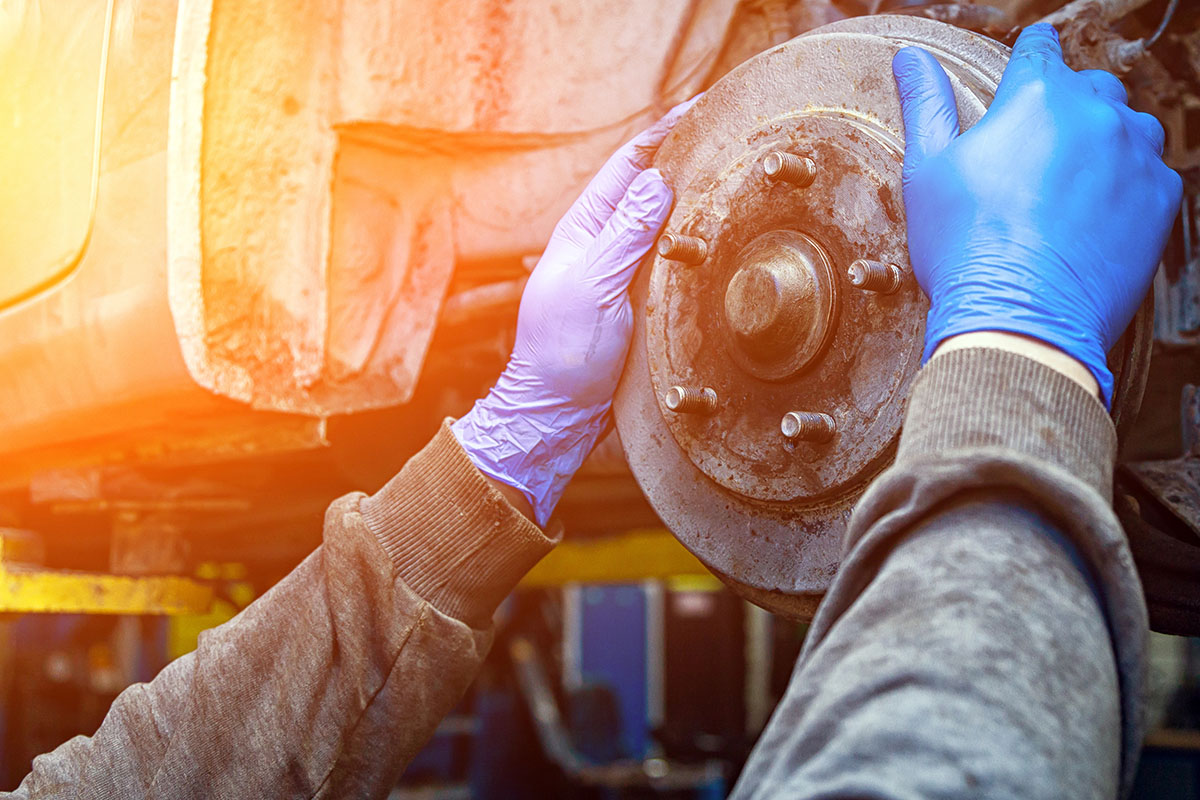
Drivers across Texas put their vehicles through rough conditions. Stop-and-go highway traffic in Houston, extreme summer heat in Dallas, and long stretches of open highway between cities put heavy demands on your vehicle's stopping power. Misconceptions lead many drivers to make costly mistakes or ignore warning signs until a minor repair turns into a major bill.
Understanding how your brakes work keeps repair bills reasonable and trips safe. Here is the truth behind common misconceptions about maintaining your vehicle's braking system.
Myth 1: Squeaking Brakes Always Mean You Need Replacement or Repair
A high-pitched squeal when you press the pedal is one of the most common reasons drivers visit a shop. While noise can point to worn pads, it does not always require an immediate complete replacement.
Modern friction materials use metallic or ceramic compounds that occasionally squeak under specific conditions. Morning moisture, dust from dirt roads, or humidity can cause a thin layer of surface rust on steel rotors overnight. The first few stops usually clean this layer off and quiet the noise.
Continuous metallic grinding is a different issue. That sound means the pad material has worn away, letting the metal backing plate scrape against the rotor. If a light squeal vanishes after a short drive, monitor it. If the noise stays constant, book an inspection to check pad thickness before the rotors suffer damage.
Myth 2: You Only Need to Change Brake Fluid During Major Repairs
Brake fluid sits inside a sealed system, leading many drivers to assume it lasts forever. In reality, hydraulic fluid absorbs moisture from the air through tiny pores in rubber hoses over time.
Texas heat speeds up this breakdown. Water contamination lowers the fluid's boiling point. In heavy traffic or on steep downhill roads, friction heat can cause wet fluid to boil, creating vapor pockets in your lines. Vapor compresses easily, making the pedal feel soft or sink toward the floor.
Moisture also corrodes internal metal components, including expensive anti-lock system valves. Replacing fluid every two to three years removes trapped water, prevents rust, and maintains firm pedal response.
Myth 3: Any Shop Can Handle Modern Anti-Lock Systems
Braking systems on modern vehicles are far more complex than the mechanical setups of the past. Today's cars and trucks rely on electronic control modules, wheel speed sensors, and stability control software working alongside mechanical hydraulic parts.
Performing maintenance on these systems requires specialized diagnostic equipment and specific service steps. Bleeding hydraulic lines on a late-model truck often requires a scanner tool to cycle internal module valves. Attempting repairs without the right equipment can trap air inside the system or damage sensitive sensors.
Proper diagnostic tools and factory procedures prevent electrical errors and keep your vehicle stopping predictably.
Myth 4: You Can Ignore Low Fluid Levels as Long as the Pedal Feels Normal
A dropping fluid level in your reservoir is not always caused by an external leak. As pads wear down, caliper pistons extend further out to push against the rotor. This creates extra space inside the caliper housing, drawing fluid down from the main reservoir.
Top-offs might seem like a quick fix, but they cover up a physical warning sign. A low fluid level usually means your pads are thin and near the end of their life.
If you top off the fluid without replacing worn pads, the reservoir will overflow when a technician pushes the caliper pistons back in during the next service. Treat a low reservoir line as a signal to check pad thickness rather than simply topping it off.
FAQs
How often should Texas drivers have their brakes inspected?
Have a technician inspect your pads, rotors, and lines every 12,000 miles or during every second oil change. Regular checks catch pad wear early before it damages metal rotors.
Why does my pedal feel soft or spongy when I press down?
A spongy pedal usually points to air in the hydraulic lines or moisture-contaminated fluid that boiled under heat. Have your system pressure-tested and bled to clear air and restore firm pressure.
Can driving through high summer heat cause damage?
Extreme heat increases friction temperatures, which speeds up pad wear and breaks down hydraulic fluid. High heat can also cause rotors to warp if cold rain hits hot metal.
What causes a steering wheel to shake while slowing down from highway speeds?
A shaking steering wheel during braking is typically caused by uneven thickness across the rotor surface. This forces the caliper to pulse, sending vibrations up through the steering column.
How long do average brake pads last under typical driving conditions?
Pads generally last between 30,000 and 60,000 miles depending on driving habits, vehicle weight, and traffic. Frequent stop-and-go city commutes wear pads down faster than long highway stretches.
Keeping Your Vehicle Safe on Texas Roads
Ignoring common automotive myths helps you make smart choices about vehicle maintenance and avoids unnecessary repair costs. Regular checks, timely fluid services, and paying attention to early warning signs keep your vehicle stopping smoothly. Drop by Local Automotive to schedule an inspection and keep your vehicle running safely.