
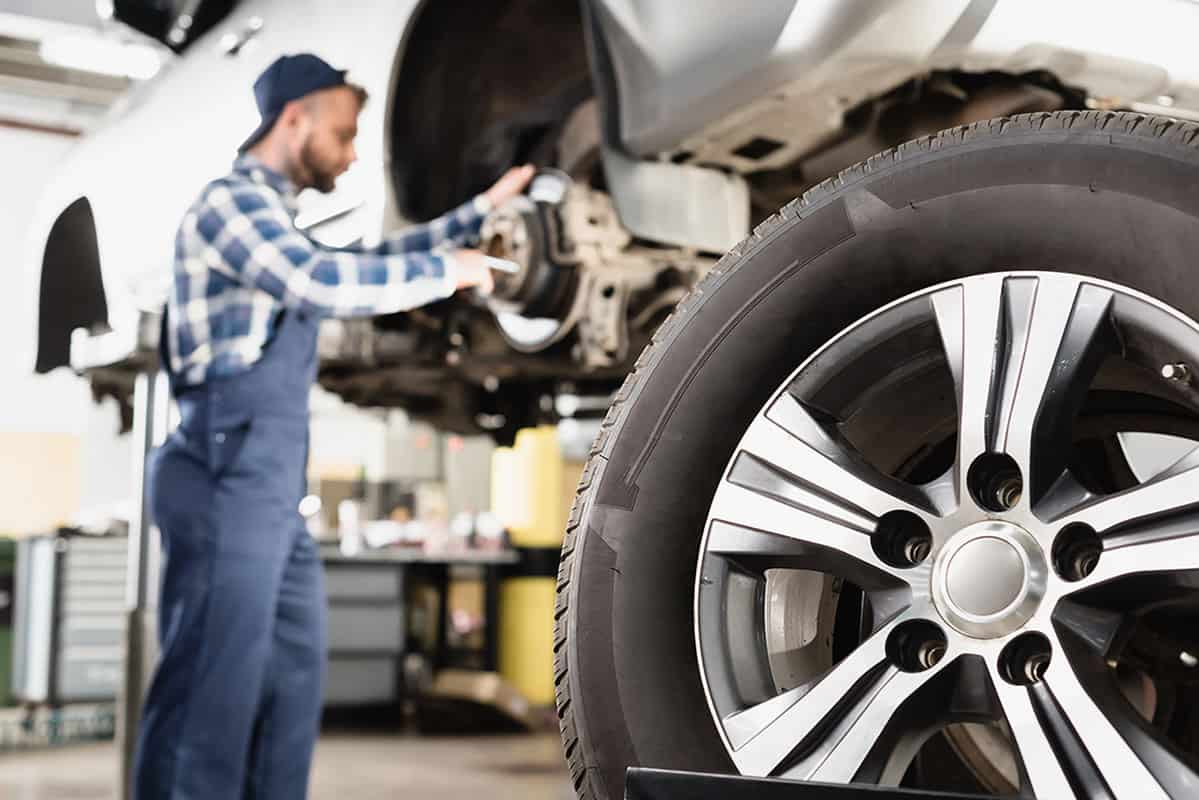
Finding a reliable auto shop often happens during a stressful moment. A warning light appears on your dashboard, or an unusual noise starts under the hood, and you need quick answers. Deciding on a shop without doing basic research, however, frequently leads to unnecessary repairs, high repair bills, and poor work. Avoiding a few common traps helps protect your vehicle and your wallet.
Here are five frequent mistakes drivers make when hiring an auto mechanic, along with straightforward ways to avoid them.
1. Choosing a Repair Shop Based Solely on the Lowest Price
Low initial price quotes look attractive, but they rarely tell the whole story. Some facilities advertise cheap rates to get vehicles through the door, then add unexpected fees once the teardown begins. Others keep prices low by using cheap aftermarket components that wear out far quicker than original equipment manufacturer parts.
Quality vehicle care requires specialized diagnostic tools, ongoing technical training, and high-standard replacement components. A shop charging standard local market rates invests in these areas. Instead of searching for the lowest price tag, focus on clear labour costs, part warranties, and solid customer feedback.
2. Skipping Credentials and Certifications
Assuming every repair facility holds proper industry, credentials is a risky oversight. Modern cars are complex machines controlled by dozens of interconnected computer modules. Fixing them correctly requires formal technical training, not just basic mechanical experience.
Look for shops that employ technicians certified by Automotive Service Excellence. ASE certification shows that a technician has passed rigorous technical exams and holds at least two years of hands-on experience. Verify that the shop carries proper liability insurance and state business licensing. These items protect your vehicle while it remains on their property.
3. Approving Work Without a Written Estimate
Oral estimates lead to misunderstandings when the final bill arrives. A technician might mention a baseline figure over the phone, but additional parts and labour shop supply fees can double that number by the time you pick up your keys.
Always request a detailed written estimate before authorizing any work. A proper estimate lists:
- Specific diagnostic findings and primary cause of the issue
- Individual line items for parts, including part numbers
- Exact labour hours along with the hourly shop rate
- Applicable taxes, environmental disposal charges, and shop supply fees
Never accept vague descriptions like "engine work" or "suspension fix." Clear documentation gives you a firm baseline for approving or declining specific services.
4. Ignoring the Warranty on Parts and Labor
Repairs occasionally fail due to defective components or installation errors. If a shop offers no warranty on their work, you pay out-of-pocket a second time to correct the exact same issue.
Reputable facilities stand behind their service with explicit, written warranties. Standard warranties in the automotive industry cover parts and labour for 12 months or 12,000 miles. Premium independent facilities often extend this coverage to 24 or 36 months. Ask about warranty details before handing over your keys and keep all physical receipts in your glove box for future reference.
5. Authorizing Repairs Without Asking for Old Parts
Unscrupulous facilities sometimes charge for replacement parts they never actually installed or perform complete component replacements when a simple adjustment would fix the issue. Without seeing the old parts, you have no easy way to confirm what work took place.
Tell the service writer upfront that you want your old parts returned in a box upon completion. Reputable mechanics have no issue showing you the worn brake pads, failed water pumps, or cracked belts they removed from your vehicle. If local regulations prevent them from returning hazardous materials like batteries or core-exchange items, ask the technician to show you the old part before they send it for recycling.
How to Prepare Before Your First Shop Visit
Taking a few proactive steps before dropping off your vehicle creates a better experience for both you and the service team. Communication failures cause many common repair disputes, so clear descriptions make a real difference.
Document Symptoms Accurately
Note exact details about the issue before talking to the service manager. Pay attention to:
- Specific sounds like squeaking, grinding, clunking, or whining
- Specific conditions when the problem happens, such as during braking, turning left, or accelerating above 45 miles per hour
- Dashboard warning lights that illuminate or flash
- Any fluid leaks underneath the vehicle, noting colour and fluid consistency
Clear Personal Items from the Cabin
Remove golf clubs, gym bags, and valuables from your trunk and back seat. Technicians need easy access to spare tire wells, cabin air filter housings behind the glove box, and under-dash wiring harnesses. A clean interior lets the crew focus directly on fixing your vehicle without moving personal property.
FAQs
How do I know if an auto mechanic is honest?
An honest facility provides clear written estimates, shows you old parts upon request, and explains technical issues without pressuring you into immediate action. They prioritize safety concerns while letting you schedule minor maintenance items at your own pace.
Should I take my car to a dealership or an independent shop?
Independent shops usually offer lower hourly labour costs and more personal customer service than dealerships. Dealerships handle complex recall work or specialized brand-specific software updates best, but qualified independent technicians handle routine maintenance and major repairs efficiently.
What should I do if a repair cost exceeds the initial estimate?
Reputable shops must contact you for approval before performing work that exceeds the original quote. If unexpected issues appear during disassembly, ask the technician to explain the situation, provide revised part numbers, and issue an updated written estimate.
Is it okay to bring my own replacement parts to a shop?
Most professional repair facilities decline to install customer-provided parts due to liability and warranty complications. If a customer-supplied part fails, the shop cannot cover the labour cost to replace it, creating friction for both parties.
How often should I bring my vehicle in for routine inspections?
Schedule a comprehensive inspection every six months or during every second oil change. Catching worn brake shoes, small fluid leaks, and cracked belts early prevents expensive breakdowns and keeps your vehicle running safely.
Keep Your Vehicle Safe and Reliable
Regular vehicle maintenance prevents sudden breakdowns, preserves resale value, and saves money on major system overhauls. Choosing the right repair partner means looking past flashy advertising and focusing on real credentials, clear communication, clear written estimates, and strong labour warranties.
When you need dependable diagnostic work, routine oil service, or major mechanical repairs in Buda, visit Local Automotive. Our team provides transparent estimates, clear explanations, and reliable service to keep your vehicle running smoothly on the road.