

Commuting along Interstate 35 into downtown Austin is a test of patience for drivers and vehicles. Heavy congestion, sudden speed drops near Slaughter Lane and Ben White Boulevard, and intense Texas heat create harsh driving conditions. Stop-and-go traffic places significant stress on your braking system, leading to accelerated component wear and unexpected brake fade.
Knowing how your brakes operate under these extreme conditions helps maintain vehicle safety and reliability. A direct approach to brake maintenance protects your vehicle while preventing costly mechanical repairs down the road.
Mechanics of Brake Fade on the I-35 Corridor
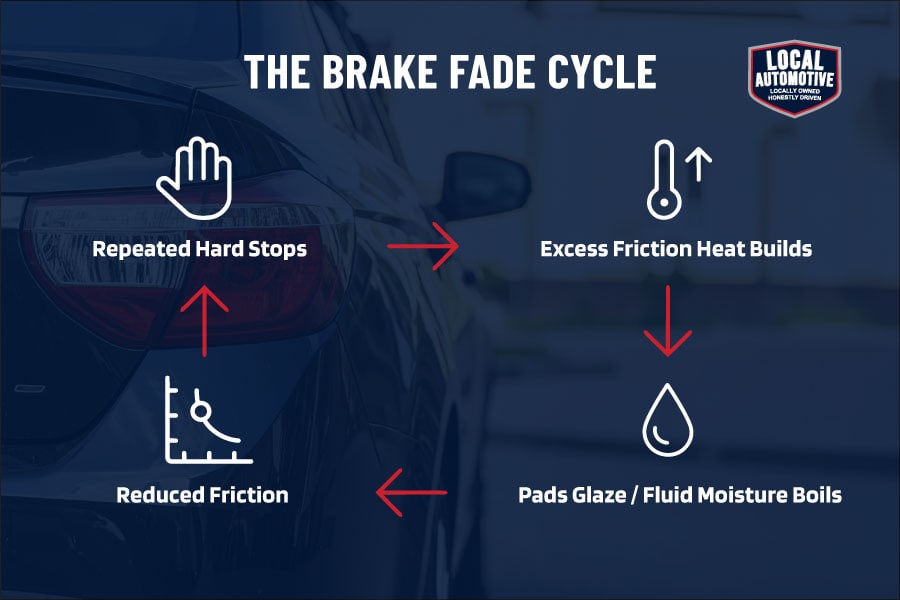
Brake fade occurs when your vehicle loses stopping power due to excessive heat build-up within the braking system. During heavy traffic, repeated hard braking prevents the brake pads and rotors from cooling down properly. This continuous friction generates thermal energy that degrades performance in two primary ways.
Mechanical Friction Loss
Standard friction materials in brake pads operate within specific temperature ranges. When temperatures rise beyond these design limits, the surface of the friction pad begins to smooth out or glaze. Glazed pads slip across the rotor surface instead of gripping it, requiring greater pedal pressure to slow the vehicle down.
Hydraulic Fluid Boiling
Brake fluid absorbs moisture over time from the surrounding atmosphere. Moisture lowers the boiling point of the fluid significantly. During prolonged braking sequences in traffic, hot calipers transfer heat directly into the brake lines. If the fluid boils, it creates gas bubbles within the hydraulic system. Since gas compresses under pressure while liquid does not, your brake pedal feels soft or spongy, severely delaying stopping response.
Signs Your Brakes Are Struggling in Commuter Traffic
Catching brake issues early prevents safety hazards before you enter high-speed merge lanes or congested downtown streets. Drivers on I-35 should remain alert for specific warning signals:
- A Spongy or Low Brake Pedal: The pedal travels further toward the floorboard than usual before engaging, indicating air or vapor in the hydraulic lines.
- High-Pitched Squeal or Metallic Grinding: Squealing often signals that pad wear indicators have contacted the rotor. A harsh grinding noise means the friction material is entirely worn away, causing metal-to-metal damage.
- Steering Wheel Vibration: High heat causes subtle thickness variations across the rotor face. When braking at highway speeds, this uneven surface manifests as a distinct vibration in the steering wheel or brake pedal.
- Vehicle Pulling to One Side: If your car veers left or right while stopping, a caliper piston may be sticking or hydraulic pressure may be distributed unevenly across wheels.
- Burning Smell Near the Wheels: A sharp, chemical odor after coming to a stop indicates severely overheated friction materials.
Commuter Driving Techniques to Extend Brake Life
While routine professional service remains indispensable, adjusting your daily commuting habits reduces thermal stress and mechanical wear on your braking components.
Increase Following Distance
Maintaining a generous gap between your car and the vehicle ahead reduces the need for sudden, aggressive stops. Smooth, gradual deceleration generates far less heat than rapid braking at high speeds, allowing the rotors time to dissipate thermal energy.
Anticipate Traffic Flow
Look several vehicles ahead rather than focusing solely on the bumper in front of you. Spotting slowing traffic early allows you to lift off the accelerator and coast down in speed before applying gentle brake pressure.
Avoid Riding the Brakes
Holding your foot lightly on the brake pedal during long, slow crawls keeps the pads in constant contact with the rotors. This continuous contact generates steady friction heat without allowing components to cool. Engage the pedal firmly when necessary, then release completely when rolling forward.
Essential Brake System Maintenance Steps
Comprehensive preventive maintenance checks ensure your vehicle stops predictably every time you press the pedal. Key focus areas include:
- Brake Pad Inspection: Monitor friction material thickness (minimum 3mm remaining).
- Rotor Measurement: Inspect rotor surfaces for heat checking, hot spots, or deep grooves.
- Hydraulic Fluid Flush: Replace brake fluid every 2 years or 24,000 miles to remove moisture.
- Hardware Lubrication: Clean and grease caliper slide pins so components slide freely.
Regular brake fluid flushes remain helpful for Texas drivers. Fresh fluid resists boiling under severe heating conditions, preserving firm pedal feel. Furthermore, inspecting slide pins, hardware clips, and rubber boots prevents calipers from binding and causing uneven pad wear.
FAQs
Why do my brakes squeal only in morning bumper-to-bumper traffic?
Morning squealing often results from overnight moisture accumulation on the rotors, creating a thin layer of surface rust that clears after a few stops. However, persistent squealing during stop-and-go driving usually indicates that pad wear sensors are contacting the rotor surface or that high heat has glazed the pad friction material.
How often should brake fluid be flushed for daily commuters?
Most manufacturers recommend replacing brake fluid every two years or 24,000 miles. For daily I-35 commuters operating in high heat and heavy traffic, inspecting fluid clarity and moisture content annually maintains hydraulic performance and prevents fluid boiling.
What is the difference between brake wear and brake fade?
Brake wear refers to the permanent physical erosion of pad friction material and rotor thickness over time. Brake fade is a temporary loss of stopping ability caused by heat buildup exceeding the operational limits of pads or fluid. Prolonged exposure to brake fade accelerates permanent wear.
Can warped rotors be resurfaced, or do they always need replacement?
Rotors can often be resurfaced on a lathe if they retain adequate thickness above the manufacturer minimum specifications. However, if heat damage causes deep thermal cracks or severe metal fatigue, replacing the rotors maintains proper heat dissipation and structural integrity.
How does hot Texas summer weather affect my braking system?
High outdoor temperatures reduce the ambient air cooling effect on brake rotors and calipers. Because the braking system starts from a higher baseline temperature, heavy traffic friction pushes components toward overheating conditions much faster than in cooler months.
Reliable Stopping Power with Local Automotive
Navigating daily congestion on I-35 requires complete confidence in your vehicle's stopping power. Ignoring early warning signs like soft pedals or squealing pads leads to premature rotor damage and compromised safety on high-speed highways.
Local Automotive in Buda, TX provides honest, transparent auto care tailored to the demands of Central Texas driving. Our experienced technicians perform thorough brake inspections, precise pad and rotor replacements, and complete hydraulic fluid services to keep your commute safe. Reach out to Local Automotive today or book your reservation online to make sure your brakes are prepared for the road ahead.