
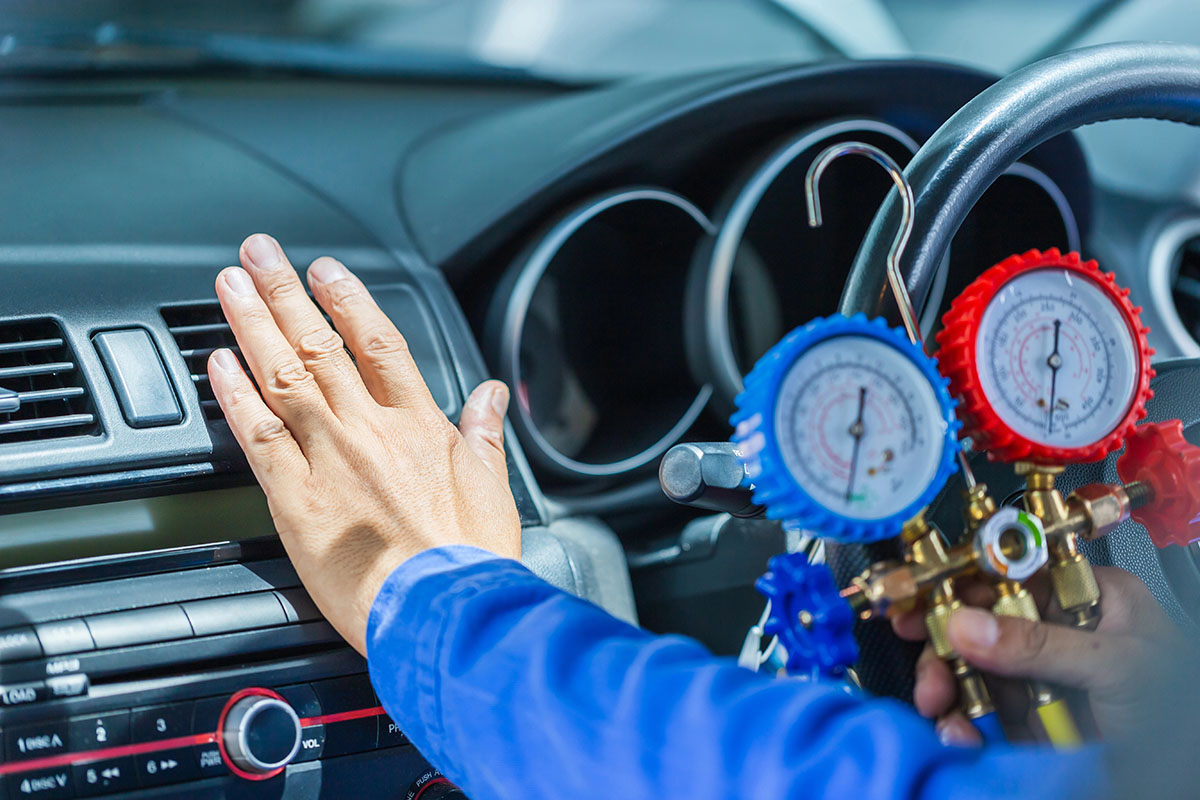
That first truly cold morning of the season always comes as a shock. With the arrival of colder weather, you look forward to the blast of warm air from your car’s heater. But when you turn the dial and are met with nothing but icy cold air, that short morning commute can feel like an expedition.
A broken car heater is more than just a comfort issue; it’s often a warning sign of a problem within your vehicle’s cooling system.
With holiday travel just around the corner, now is the perfect time to understand what is going on and get it resolved. Ignoring the problem could leave you stranded and facing a much more expensive repair down the road.
How Your Car's Heater Works: A Quick Overview
Your car’s heater does not create warmth on its own. Instead, it cleverly borrows heat from the engine. Here is the simple process:
- Your engine generates a tremendous amount of heat, which is managed by a liquid called coolant (or antifreeze).
- Hot coolant circulates from the engine to a small radiator-like device behind your dashboard called the heater core.
- When you turn on your heat, a fan called the blower motor pushes air across the hot heater core.
- This air picks up the heat and blows into your cabin, warming you up.
When this process fails, the problem almost always lies in one of these key components.
Common Reasons Your Heater Is Blowing Cold Air
Here are the most frequent culprits our technicians at Local Automotive encounter, from simple fixes to more complex issues.
1. Low Coolant Level
This is the most common cause of a heater not working. If the coolant level in your system is too low, there is not enough hot fluid circulating to the heater core to generate warmth.
Low coolant is always a symptom of another problem, a leak somewhere in the cooling system. This could be from a cracked hose, a faulty radiator cap, or a more serious issue. Ignoring it can lead to your engine overheating.
2. A Bad Thermostat
The thermostat is a small valve that regulates your engine's temperature. It stays closed when the engine is cold to help it warm up quickly and opens to allow coolant to circulate to the radiator once it reaches operating temperature. If the thermostat is stuck in the open position, the engine never fully warms up.
A stuck-open thermostat will prevent your heater from getting hot and will also decrease your fuel efficiency. If it sticks closed, your engine will quickly overheat, which is a much more serious emergency.
3. A Clogged Heater Core
Over time, debris, rust, and contaminants can build up in the cooling system and create a blockage inside the narrow passages of the heater core.
Even with plenty of hot coolant in the system, it cannot flow through the heater core to transfer its heat. Symptoms of a clogged heater core can also include a sweet, syrupy smell inside the car or a perpetually foggy windshield, which may indicate the core itself is leaking.
4. A Malfunctioning Blower Motor
If you hear absolutely nothing and feel no air coming from your vents when you turn the fan on, the problem is likely your blower motor.
The heating system might be working perfectly, but the fan that pushes the warm air into the cabin has failed. Sometimes, the issue is a related component called a blower motor resistor, which can cause the fan to only work on one speed (usually high).
Don't Let a Cold Cabin Ruin Your Plans
You should be focused on reaching your destination comfortably and safely, not shivering while trying to focus on driving. A properly functioning heater does more than keep you warm. It maintains visibility, prevents foggy windows, and contributes to alert, comfortable driving.
Addressing heater problems now, before holiday travel begins, prevents inconvenient breakdowns and uncomfortable journeys. Most heating issues are repairable within a day when caught early, but waiting until temperatures plunge and shops are busy with similar requests creates delays you can avoid.
Take time before the holiday rush to have heating concerns evaluated. A quick inspection by our experts at Local Automotive identifies problems while solutions are convenient and easy. Waiting until you're packed for a road trip and discover the heater blowing cold creates stress and makes an already long trip longer.
Your vehicle's heating and cooling systems work together to maintain engine temperature and cabin comfort. Keeping both systems properly maintained protects your engine and provides the reliable transportation your plans require.
FAQs
Why is my car heater only blowing lukewarm air?
Lukewarm air is a classic symptom of either a low coolant level or a thermostat that is stuck partially open. In either case, the heater core is not getting hot enough to produce truly warm air. It is a clear sign that your cooling system is not operating at peak efficiency and needs to be inspected.
Can I still drive my car if the heater is not working?
It depends on the cause. If the problem is just a failed blower motor, it is a comfort issue and generally safe to drive. However, if the cause is low coolant, a bad thermostat, or a clogged heater core, you are risking a major engine failure. These are all problems with the engine's cooling system, and driving could lead to severe overheating. We recommend having it professionally diagnosed right away.
How much does it cost to fix a car heater?
The cost varies dramatically depending on the problem. Fixing a coolant leak or replacing a thermostat is typically a relatively affordable repair. However, replacing a clogged or leaking heater core can be very labor-intensive and expensive, as it often requires removing the entire dashboard to access it. A proper diagnosis is key to getting an accurate estimate.
My heater works when I am driving on the highway but blows cold at a red light. What is wrong?
This specific symptom almost always points to a low coolant level or a failing water pump. At higher engine speeds (on the highway), the water pump is spinning faster and can circulate enough of the low coolant to generate some heat. At idle, it is not moving enough fluid. This is a critical warning sign that your engine is at risk of overheating.