
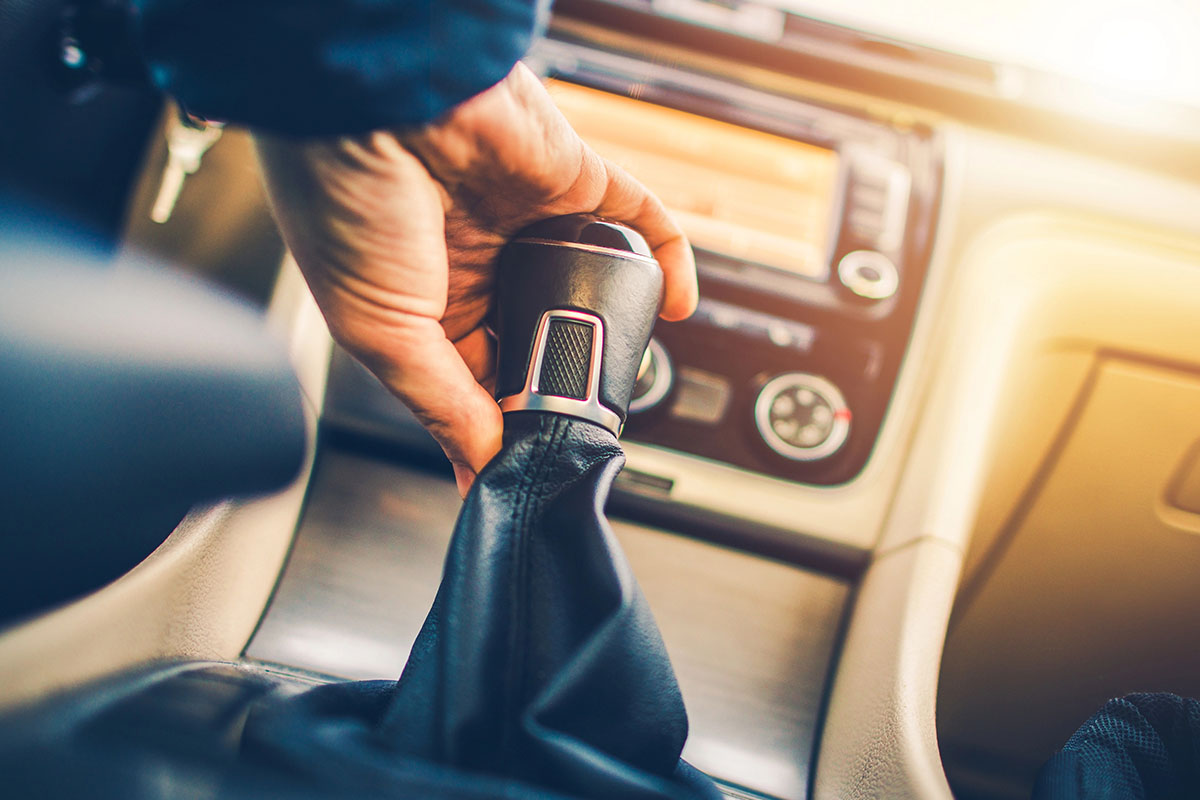
Few sounds a car can make are as instantly alarming as a harsh grinding noise when you shift gears. It’s a mechanical, unnatural sound that immediately tells you something is wrong. This is not a noise to turn up the radio and ignore. A grinding transmission is a clear and direct signal that a critical component of your vehicle's drivetrain is failing, and many drivers first discover this when seeking gearbox repair in Buda TX.
Whether you drive a manual or an automatic, this symptom points to a problem that requires immediate professional attention. Continuing to drive can quickly turn a repairable issue into failure, resulting in a much more expensive transmission replacement.
To understand what is happening, it’s helpful to know the common culprits behind that disconcerting sound.
Common Causes for a Grinding Transmission
The reasons for a grinding noise differ slightly between manual and automatic transmissions, as they operate on different principles.
For Manual Transmissions
In a manual vehicle, grinding is most often related to the clutch or the transmission's internal components.
- Worn-Out Clutch: The clutch’s job is to disengage the engine from the transmission so you can shift gears smoothly. If the clutch disc is worn thin, it may not be able to fully disengage. This means the transmission's input shaft is still spinning when you try to shift, causing the gears to clash and grind as they attempt to mesh.
- Failing Synchronizers: Inside your transmission, synchronizers (or "synchros") act like small clutches for each gear. Their job is to match the speed of the gear you are shifting into with the speed of the output shaft before the gear's teeth engage. When a synchronizer wears out, this speed-matching fails, and the result is a classic grinding noise as the unmatched gears collide. This problem often isolates itself to a single gear.
- Clutch Hydraulic or Cable Issue: For the clutch to work, it needs to be activated by a cable or a hydraulic system. If a clutch cable is stretched or the hydraulic system is leaking fluid, you will not be able to fully disengage the clutch when you press the pedal. This has the same effect as a worn clutch, leading to grinding.
For Automatic Transmissions
A grinding noise in an automatic transmission is generally less common but often indicates a more serious internal problem.
- Low Transmission Fluid: Automatic transmissions rely on hydraulic fluid pressure to function. If the fluid level is low, it can cause parts to be improperly lubricated and can lead to a whining or grinding noise as internal components wear against each other.
- Damaged Planetary Gear System: This complex gear set is the heart of an automatic transmission. If any of the gears or the bearings within this system become damaged or worn, they can produce a grinding noise as they rotate. This is a sign of a significant internal failure.
- Failing Torque Converter: The torque converter acts as the fluid coupling between the engine and the transmission. If the needle bearings inside the torque converter begin to fail, they can create a grinding or whirring noise, especially when the vehicle is in gear.
Addressing the Noise Before It Gets Worse
Transmission grinding represents your vehicle communicating that something requires attention, and thorough Buda transmission repair can help prevent that noise from turning into a breakdown.
Unlike warning lights you might ignore or minor sounds you can overlook, grinding during shifts indicates active mechanical conflict occurring inside one of your vehicle's most expensive and complex components.
The progressive nature of transmission wear means today's occasional grinding becomes next month's constant grinding and eventually becomes complete failure that leaves you stranded. Each grinding shift removes metal, damages surfaces, and accelerates the deterioration of components that cost significant money to repair or replace.
Prompt attention to sounds often reveals problems addressable through targeted repairs. Worn synchronizers can be replaced without rebuilding the entire transmission. Clutch problems can be resolved without touching transmission internals. Fluid issues can be corrected before they cause permanent damage.
Delayed attention transforms manageable repairs into major expenses. Gears damaged by repeated grinding cannot be repaired and must be replaced. Synchronizers worn past function require transmission disassembly.
What could have been a simple $500 repair becomes a $3,000 rebuild because grinding was tolerated rather than addressed.
Schedule auto diagnostics in Buda promptly with Local Automotive, get accurate information about what repairs are actually needed, and make a decision about addressing problems while options remain available and open to an easier repair. Your transmission provides critical function every time you drive. Protecting it protects your mobility and your wallet.
FAQs
Is it safe to keep driving if my transmission is grinding?
No, it’s highly inadvisable. The grinding sound is the noise of metal components forcefully clashing. Continuing to drive will cause further, often rapid, damage to your gears, synchronizers, and other internal parts. This will escalate the cost of the repair and increases the risk of a complete transmission failure, which could leave you stranded.
Why does my manual car only grind when shifting into a specific gear, like third?
This is a classic symptom of a worn-out synchronizer for that particular gear. Because each gear has its own synchronizer, it’s very common for one to wear out before the others, especially on a frequently used gear.
Can low or old transmission fluid cause a grinding noise?
Yes. Transmission fluid is essential for lubrication and, in an automatic, for hydraulic pressure. If the fluid is extremely low or has broken down completely, it can cause internal components to grind due to friction. In some minor cases, a fluid change can help, but it will not fix parts that are already mechanically damaged.
How much does it cost to fix a transmission that grinds?
The cost can vary dramatically. If the issue is a simple clutch adjustment or a minor hydraulic leak, the repair could be relatively affordable. A full clutch replacement is a more significant, moderate expense. If the problem is internal to the transmission, such as bad synchronizers or a damaged planetary gear set, the repair will likely involve a costly transmission rebuild or a full replacement. A professional diagnosis is essential to get an accurate estimate.
Why does my manual transmission only grind when cold?
Cold grinding that disappears after warmup typically indicates thickened transmission fluid or worn synchronizers that work adequately once operating temperature is reached. Cold fluid flows poorly and doesn't provide full lubrication until warm. Worn synchronizers that function marginally may work better when warmed fluid helps equalize gear speeds. While cold-only grinding seems minor, it still causes damage during those cold starts and usually worsens over time as wear progresses.
Does grinding always mean my transmission is failing?
Grinding doesn't always indicate imminent transmission failure, but it always indicates problems requiring attention. Sometimes grinding results from clutch issues rather than transmission damage, particularly in manual vehicles. Low or contaminated fluid can cause grinding that proper service resolves. However, grinding that goes unaddressed leads to transmission failure over time. The grinding itself causes progressive damage. Consider grinding an urgent warning requiring diagnosis rather than a death sentence for your transmission.