
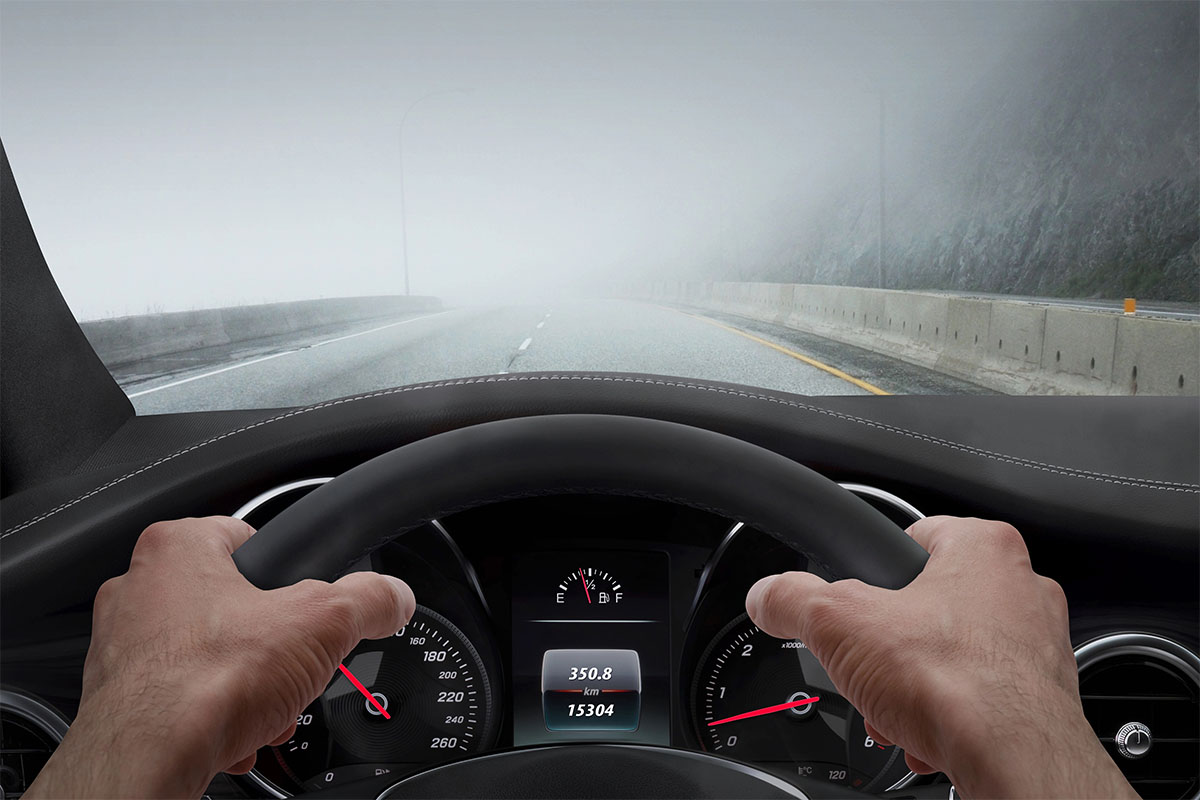
Visibility is the most fundamental requirement for safe driving. Whether you’re navigating a hazy morning commute or driving through a heavy rainstorm, you rely on your vehicle’s defroster to keep the windshield clear. When that system fails, it’s not merely an inconvenience; it’s also a safety hazard that may require help from an auto shop in Buda TX.
Many drivers assume the defroster is simply a fan blowing hot air. In reality, it’s a complex interaction between your vehicle's heating, ventilation, and air conditioning (HVAC) systems. If your windows remain stubbornly fogged despite the fan running at full speed, it indicates a failure in one of these subsystems. Troubleshooting the issue requires understanding how the system removes moisture and identifying which component has stopped doing its job and if car heater repair in Buda is necessary.
How A Defroster Clears Fogged Glass
Fog on the inside of the glass forms when warm, moist air in the cabin contacts a colder windshield. The defroster helps by:
- Directing warm air across the inside of the glass
- Drying the air by running it through the air conditioning system
- In some vehicles, automatically turning off recirculation and pulling in drier outside air
For the rear window, electric grid lines in the glass heat the surface directly to evaporate condensation and melt frost.
If any piece of that process is weak, fog can linger or even get worse.
First Step: Check Your Settings
Before assuming something is broken, confirm that your HVAC controls are set to support defogging.
For the front windshield:
- Mode set to defrost or defrost plus floor
- Temperature set to warm, not cold
- Fan speed at medium to high
- Air conditioning button on (even in cool weather, if the system allows)
- Recirculation turned off so fresh air comes in
For the rear window:
- Rear defrost button switched on
- Indicator light illuminated
If you have automatic climate control, selecting the defrost button usually forces these choices, but it’s still worth checking the basics.
If Fog Still Will Not Clear: Common Causes
If the settings are correct and the glass still stays hazy, several systems are worth examining.
1. Insufficient Heat from the Heater Core
Signs of a heat problem:
- Air coming from the defrost vents is lukewarm or cold
- Cabin never really warms up, even after several minutes of driving
- Temperature gauge on the dash stays unusually low
Possible causes include:
- Low coolant level in the radiator or reservoir
- Thermostat stuck open, preventing the engine from reaching full operating temperature
- Air trapped in the cooling system
- Partially clogged heater core restricting flow
Low coolant or thermostat issues are not just comfort problems. They can lead to engine damage if ignored, so they should be checked promptly.
2. Air Conditioning System Not Drying the Air
Many vehicles automatically engage the A/C compressor in defrost mode to remove moisture from the air before it reaches the windshield.
If the A/C is not working properly:
- The air may be warm but still damp
- Fog clears slowly or not at all
- Windows may fog more when you first turn the system on
Common A/C related issues:
- Low refrigerant charge
- Electrical or sensor problems preventing the compressor from engaging
- Faulty A/C compressor
While you may not think about air conditioning in winter, it’s a key part of effective defogging.
3. Airflow Problems to the Windshield
Even with good heat and a working A/C, you need proper airflow to the glass.
Indicators of airflow issues:
- Strong air at floor or dash vents, but weak at defrost vents
- Air only coming out of one side of the windshield
- Fan only working on certain speeds
Possible causes:
- Stuck or failed mode door actuator not routing air to the defrost vents
- Clogged or dirty cabin air filter choking the system
- Worn blower motor or blower resistor causing weak or inconsistent fan operation
A cabin air filter is often overlooked. When it’s clogged, airflow drops, making all HVAC modes, including defrost, less effective.
4. Rear Defroster Electrical Issues
For the rear window, problems usually fall into two categories:
Power and control issues
- Blown fuse
- Faulty switch or relay
- Broken wiring at the hatch or trunk area
Grid damage
- Scratched or broken heating lines on the glass from scraping or cargo contact
If only part of the rear glass clears, you may have one or more broken grid lines. Some can be repaired with special conductive paint, but extensive damage may require glass replacement.
5. Moisture Inside the Cabin
Even with a fully functional system, excess interior moisture makes defogging harder.
Sources of moisture:
- Wet floor mats or carpet from rain or snow
- Window or sunroof leaks
- Damp items left in the vehicle
Cooling system leaks allowing coolant vapor inside, often with a sweet smell and greasy film. If your windows fog quickly and heavily, especially with more passengers inside, it may indicate too much moisture trapped in the cabin.
Simple Habits That Help Your Defroster Do Its Job
Alongside mechanical checks, a few daily practices make a noticeable difference.
- Use fresh air, not recirculation, when defogging
- Remove snow and ice from shoes before entering if possible
- Dry or replace soaked floor mats promptly
- Clean the inside of your windows regularly to remove film that attracts moisture
- Avoid smoking or vaping inside, which leaves residue on glass
These habits reduce the work your defroster has to do and help it work faster.
When It’s Time to See a Professional
Some defroster issues are straightforward, such as a dirty cabin filter or incorrect settings. Others involve deeper HVAC or electrical diagnostics.
You should consider a professional inspection if:
- Air from the defrost vents never gets truly warm
- The A/C does not seem to engage in any mode
- The blower only works on high or not at all
- Rear defrost does nothing or only warms a small patch
- You notice coolant smell, dampness, or an oily film on the inside of the windshield
A shop like Local Automotive can:
- Check coolant level and thermostat operation
- Test heater core flow
- Diagnose A/C function even in cooler weather
- Inspect blend doors, mode doors, and actuators
- Test rear defroster circuits and grid continuity
Properly working defrosters are essential for clear vision and safe driving, especially in colder or wetter months.
FAQs
Why do my windows fog up more when I first turn on the heater?
At startup, the air in the vehicle is cold and may be moist from your breath, wet clothing, or previous use. When you turn on the heater without using the A/C or fresh air, you are blowing warm but damp air across cold glass, which can increase fogging briefly. Engaging defrost mode with A/C and outside air usually helps clear the fog faster.
Is it normal for the A/C to run with the defroster in winter?
Yes. In many vehicles, the air conditioning compressor runs automatically in defrost mode, even in cold weather, to remove moisture from the air. You may not feel “cold” air because the system is still mixing in heat, but the A/C is drying the airflow. This is by design and helps prevent fogging.
Can a low coolant level cause defroster problems?
Yes. Low coolant reduces the flow of warm coolant through the heater core, which means the air passing through does not heat up properly. The result is weak or no heat from the vents, which directly affects defrost performance. Low coolant can also indicate a leak that needs attention to avoid engine damage.
Why does my rear defroster only clear part of the window?
Partial clearing often points to broken grid lines or a section of the heating element that is no longer conducting. Scrapes from ice scrapers, cargo contact, or stickers can interrupt the printed lines on the glass. Individual breaks may be repairable with conductive paint kits. Larger or multiple breaks may require window replacement.
What is the fastest way to defog my windshield on a cold day?
A common effective method is:
- Turn on defrost mode.
- Set temperature to warm.
- Turn fan speed to medium or high.
- Make sure A/C is on if available.
- Turn off recirculation so outside air enters.
If fog persists, cracking a side window slightly can help equalize humidity and speed up clearing.
Why does my AC light come on when I turn on the heat/defrost?
This is a standard function designed by the manufacturer. The car automatically engages the AC compressor to dehumidify the air. The system cools the air to remove moisture and then heats it up before blowing it onto the windshield. You should leave the AC on for the most effective defrosting.
Can I use hot water to clear frost off the outside of my windshield?
No. You should never pour hot water on a cold windshield. The rapid temperature change causes thermal shock, which can instantly crack or shatter the glass. Stick to an ice scraper, de-icing spray, or your car's defroster system.
What does it mean if my windshield fogs up when it rains?
This typically indicates high humidity inside the car that the system cannot keep up with. It is a classic sign of a non-functioning AC compressor or a clogged cabin air filter. It could also mean you have a water leak in the vehicle (like a sunroof drain or door seal) that is allowing rainwater to soak the carpets, raising the interior humidity levels.
How much does it cost to fix a heater core?
Heater core replacement is often labor-intensive because the component is buried deep behind the dashboard. While the part itself might be moderately priced, the labor to remove and reinstall the dashboard makes this a more expensive repair. Precise estimates require a diagnosis, as accessibility varies greatly by vehicle model.
Clearing The View Before Your Next Drive
A stubbornly fogged windshield is more than a minor comfort issue. It's a warning sign that either your HVAC system, your habits, or both need attention. Correct settings, adequate heat, working A/C, proper airflow, and a reasonably dry interior all play a part in clearing glass quickly and keeping it clear.
If basic adjustments do not solve the problem, having your defroster system checked by a qualified shop is a practical next step. At Local Automotive, our technicians can evaluate and provide Buda auto AC repair so your heating and cooling systems provide the dry, warm air necessary for driving. Do not wait for the next storm to find out your defroster is broken.