
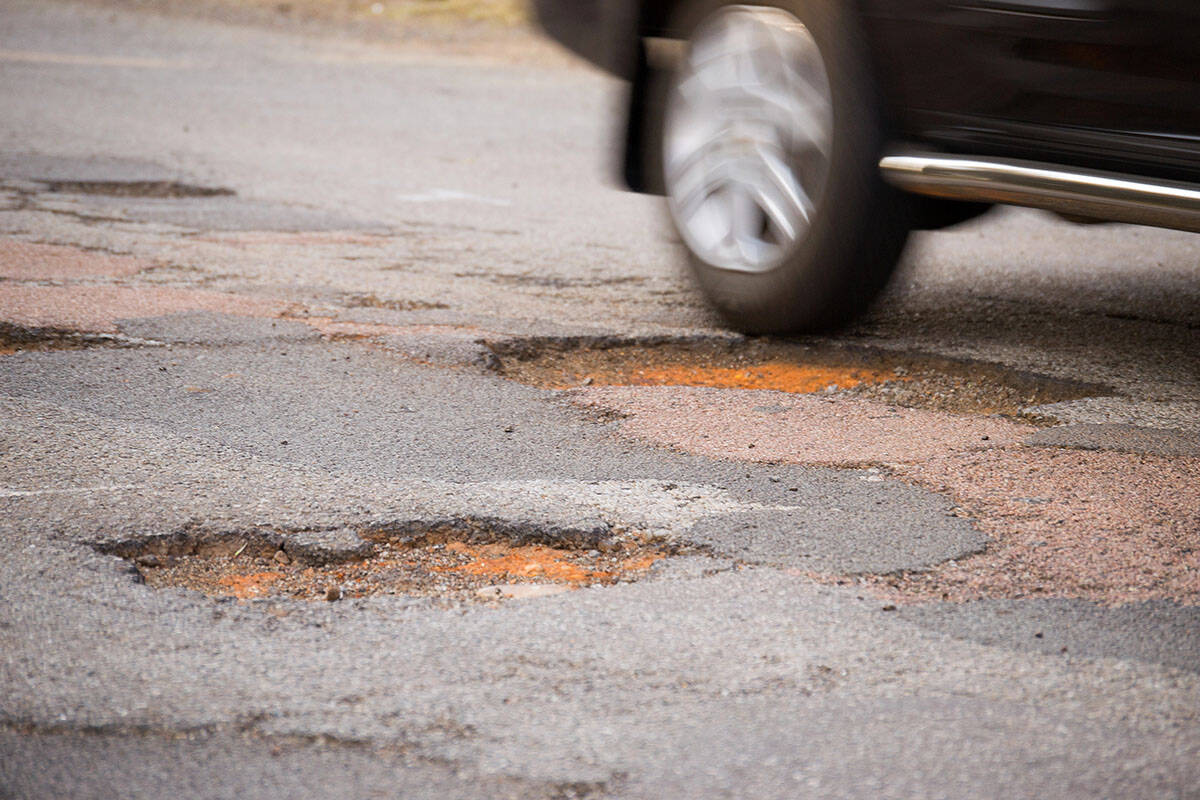
Driving across Central Texas means dealing with roads that change fast: patched asphalt, potholes, rough construction lanes, and sudden washouts after bad weather. Put that together with daily highway miles, and your vehicle takes steady abuse. Modern cars, trucks, and SUVs can handle a lot, but shocks, struts, bushings, springs, and wheel alignment do not stay in top shape forever.
When your vehicle starts feeling different, the problem is not just comfort. Worn suspension parts or wheels that are out of alignment can wear tires down faster, trim fuel economy, and make the vehicle less predictable during a hard stop, quick lane change, or other split-second steering move. Catching those early signs gives you a better chance to fix a smaller issue before it turns into a larger suspension, steering, or structural repair bill.
Understanding Suspension vs. Wheel Alignment
A lot of drivers use suspension and alignment as if they mean the same thing, but they do not. The suspension is the hardware, including shocks, struts, springs, control arms, and bushings. Alignment is the set of wheel angles adjusted around that hardware. Knowing how the two work together makes it easier to describe the problem and helps your technician diagnose it faster.
The Suspension System
Your suspension system is the collection of hard parts that keeps your tires in contact with the road while taking the hit from potholes, speed bumps, broken pavement, and curb-level jolts. In most vehicles, the main components include:
- Shocks and Struts: These control up-and-down motion and keep the vehicle from continuing to bounce after a bump. When they wear out, you may notice extra rebound after a dip, pothole, or speed bump.
- Control Arms and Bushings: These connect the vehicle frame or subframe to the wheel assemblies while still allowing controlled suspension movement. As bushings wear, they can add looseness, clunks, and alignment problems that do not stay corrected for long.
- Springs: These carry the full weight of the vehicle and set ride height. A weak or sagging spring can leave one corner sitting low, change alignment angles, and make bottoming out more likely.
- Sway Bars and Links: These limit body roll in corners and help the vehicle stay balanced during turns, lane changes, and freeway ramps.
As those parts wear down, your vehicle loses some of its ability to soak up road shock and keep the body settled. That usually shows up as a rougher ride, more vibration, extra body movement, and less stable handling on uneven pavement.
Wheel Alignment
Wheel alignment is different. It refers to the measured position of the wheels relative to each other and to the vehicle chassis, usually checked on an alignment rack after the suspension is inspected for worn parts. Proper alignment depends on three primary measurements:
- Camber: This is the inward or outward tilt of the tire when you look at the vehicle from the front. Too much positive or negative camber can wear one edge of the tread faster than the rest.
- Caster: This is the angle of the steering axis when viewed from the side. It affects straight-line stability and how naturally the steering wheel returns toward center after a turn.
- Toe: The angle that shows whether the front or rear edges of the tires point inward or outward when you look at them from directly above.
One deep pothole or even a brush with a concrete construction barrier can be enough to knock those angles out of factory specifications; alignment settings are measured in tiny fractions of a degree.
Top Signs Your Vehicle Needs Alignment or Suspension Service
Because shocks, struts, bushings, and ball joints usually wear down a little at a time, most drivers adapt to the rougher ride without realizing anything is wrong. Watch for the signs below; if one or more show up, your vehicle is due for a professional suspension and alignment evaluation.
1. The Vehicle Pulls to One Side
On a smooth, level road, your vehicle should track straight without constant small steering corrections. If it keeps drifting toward the shoulder or the center line, your wheel alignment is likely off. That steady pull makes you hold pressure on the steering wheel the whole time, which can cause driver fatigue on longer drives and add extra stress to power steering components.
2. Off-Center Steering Wheel
On a flat highway, the emblem at the center of your steering wheel should stay level when the vehicle is moving straight. If the wheel sits off-center, say at 10 o'clock or 2 o'clock, while the car is going straight, the toe angles are usually out of specification. That often happens after a curb hit, a hard pothole impact, or repeated trips through rough construction zones.
3. Uneven or Excessive Tire Wear
Your tires tell the story faster than most other parts of the car. A close look at the tread can reveal important clues about your alignment and suspension health, especially inner-edge wear, outer-edge wear, feathering, or cupping:
| Wear Pattern | Visual Appearance | Likely Cause |
| Feathering | Tread blocks feel smooth sliding one direction, sharp sliding the other | Incorrect Toe Alignment |
| Camber Wear | Heavy wear concentrated strictly on the inner or outer edge | Out-of-spec Camber Angle |
| Cupping / Scalloping | High and low dips/scallops around the perimeter of the tread | Worn Shocks or Struts |
| Center Wear | Excessive wear concentrated in the center line | Over-inflation |
Catching uneven wear early can keep you from buying expensive replacement tires before you should; a full set of passenger-car tires often costs hundreds of dollars before mounting and balancing.
4. Excessive Bouncing, Diving, or Squatting
Shocks and struts do more than soften the ride; they control how the vehicle absorbs energy from bumps, braking, and turns, and they help keep the tires planted on the road. When those dampers wear out, the symptoms usually show up in ways you can feel from the driver's seat:
- The Bounce Test: After a dip or speed bump, the body keeps bouncing up and down several times instead of settling almost right away.
- Nose-Diving: Under moderate to heavy braking, the front end drops hard toward the pavement instead of staying more level.
- Rear Squat: During acceleration, the rear suspension sinks noticeably toward the ground instead of holding its normal stance.
- Body Roll: The vehicle leans too far to the side in sharp turns or on highway entrance ramps.
5. Clunking, Squeaking, or Knocking Noises
Suspension parts use rubber or polyurethane bushings to cushion metal joints. Over time, heat, road dirt, and age break down those rubber boots and seals, and Texas heat plus road grit can speed that up. Dry ball joints usually make a high-pitched squeak over bumps, while worn control arm bushings or failing sway bar links tend to cause a harder metallic clunk or pop when you turn or cross uneven ground.
Why Road Hazards Cause Rapid Mechanical Wear
Texas roads take a beating from heat. In summer, pavement expands; during the occasional winter freeze, it contracts again. That push-pull opens deep cracks and potholes. Add active highway construction, uneven lane drops, gravel patches, and rough temporary transitions, and your suspension ends up absorbing hit after hit.
One sharp impact does not stop at the tire. The force runs through the wheel assembly and steering linkage, where it can bend steel tie rods, damage alloy wheels, crack rubber bushings, or knock adjustable alignment bolts out of position. Even a small change in toe or camber can snowball, because that shift in geometry adds wear to the rest of the steering system.
The True Cost of Delaying Repairs
Putting off chassis maintenance can feel cheaper in the moment, but it usually costs more later. For example, skipping a roughly $100 to $150 alignment check can turn into an $800+ tire bill before you even get to worn struts, bushings, or control arms.
- Premature Tire Destruction: When wheels are out of alignment, the tires scrub sideways instead of rolling cleanly. That shows up as feathering, shoulder wear, and rapid tread loss. A fresh set can be ruined in just a few thousand miles, forcing expensive replacements long before their warranty expires.
- Secondary Hardware Damage: Driving on blown shocks makes the surrounding parts do the shock's job. Springs, ball joints, control arm bushings, and even upper mounts end up absorbing double the impact load, which is how one failed part turns into cascading mechanical failures.
- Compromised Safety Systems: Modern anti-lock braking systems (ABS) and electronic stability controls work best when the tires stay planted and the contact patch is predictable. If worn shocks let a tire bounce or unload over wet pavement, patched asphalt, or rough sections, stopping distances can increase significantly and stability control has less grip to work with.
Protecting Your Investment with Expert Care
You cannot avoid every pothole or construction zone, but you can stay ahead of the damage. Periodic chassis inspections during routine service, including oil changes and tire rotations, give technicians a chance to spot cracked boots, loose tie rods, leaking struts, or fresh impact damage before they turn into an unexpected breakdown.
At Local Automotive, we keep this straightforward: honest service, clear communication, and careful, precise work. Our experienced technicians use advanced alignment equipment and quality replacement parts to bring your vehicle back to its factory ride height, handling characteristics, and tracking accuracy. If a recent pothole hit may have bent a suspension arm, or you simply want to protect your investment in new tires, we focus on fixing the actual problem so your vehicle keeps running smoothly.
FAQs
How often should I get a wheel alignment checked?
A practical rule for most daily drivers is to check wheel alignment once a year or every 12,000 miles, even if the car still feels normal. Get it checked right away when you buy a new set of tires, install leveling kits, or hit a significant road hazard like a deep pothole, because any of those can knock toe or camber out of spec.
Can a bad alignment cause vibrations in the steering wheel?
Yes. Wheel imbalance is still the most common cause of steering wheel vibration, often showing up above about 45 mph. But severe alignment issues or worn suspension components can do it too, especially at highway speeds. Loose tie rod ends, bad wheel bearings, and other front-end wear can all send noticeable feedback through the wheel.
How long do shocks and struts typically last?
Most original equipment shocks and struts last somewhere between 50,000 and 80,000 miles, but driving conditions decide where your vehicle lands in that range. Carrying heavy payloads, towing trailers, or spending a lot of time on rough gravel and construction roads will shorten their usable lifespan, which is why technicians often start watching them closely around 50,000 miles.
Is it safe to drive with a damaged suspension component?
Driving with severely worn or broken suspension components is unsafe. A broken ball joint or tie rod can cause complete loss of steering control, and failed shocks reduce traction, let the tires bounce, and can dramatically increase stopping distances during sudden braking maneuvers. ABS and stability control still depend on the tires staying planted.
What is the difference between wheel balancing and wheel alignment?
Wheel balancing fixes weight imbalances inside the tire and wheel assembly, usually with small clip-on or adhesive weights, to eliminate high-speed vibrations. Wheel alignment adjusts the mechanical angles of your steering and suspension components, mainly camber, caster, and toe, so the tires point straight and make proper contact with the road surface. In plain English, balancing fixes shake; alignment fixes aim and tire contact.
Restoring Precision to Your Daily Drive
Your car's steering and suspension systems handle more than ride comfort. They protect your tires, preserve fuel economy, and help the car stay settled and predictable behind the wheel. If you notice off-center steering, uneven tire wear, feathering, cupping, or excessive bouncing, deal with it early. Catching those indicators before secondary mechanical damage shows up is usually far cheaper than replacing tires and worn suspension parts after the fact.
If your vehicle shows any of these symptoms after dealing with Central Texas potholes or rough highway construction zones, do not wait for a simple adjustment to turn into an expensive overhaul. Schedule an inspection with Local Automotive today. Our team will give you honest assessments, clear answers, and high-quality service so you can keep driving safely on every journey.